מעסיק רשום (EOR) בישראל
מעסיקים ומשלמים לעובדים בישראל בלי לפתוח ישות מקומית · NETO היא המעסיק החוקי תחת רישיון 1565.
להמשך קריאהאנחנו משתמשים בעוגיות חיוניות כדי שהאתר יעבוד. באישורכם נשתמש גם בעוגיות מדידה ופרסום של Google ו‑Microsoft, כדי להבין איך משתמשים באתר, לשפר אותו ולמדוד את הפרסום שלנו. אנחנו לא מוכרים את המידע שלכם.
אפשר לשנות את הבחירה בכל עת בקישור ״הגדרות עוגיות״ בתחתית כל עמוד.

כניסה לחשבון הקיים, או הרשמה מהירה תוך דקה.
בחרו איך נוח לכם · אנחנו כאן בשבילכם.
הכול על NETO · שקוף וזמין
בחרו מועד נוח · נציג יחזור לאישור בטלפון/מייל
איך חברות מארה״ב ומאירופה מקצות אופציות לעובדים ישראלים במסלול רווח הון של 25% לפי סעיף 102(ב) · במקום ברירת המחדל של הכנסת עבודה.
סעיף 102 לפקודת מס הכנסה מאפשר לעובדים ישראלים לשלם מס רווח הון קבוע של 25% על התמורה מאופציות או יחידות RSU, במקום מס שולי רגיל של עד 50% בתוספת ביטוח לאומי ומס בריאות, שיחד יכולים להגיע לכ-62%.
כדי לזכות בהטבה, ההקצאה חייבת לעבור דרך נאמן ישראלי מאושר על ידי רשות המסים במסלול רווח הון לפי סעיף 102(ב), המניות חייבות להיות מוחזקות בידי הנאמן לפחות 24 חודשים ממועד ההקצאה, והתוכנית חייבת להיות מוגשת לרשות המסים לפחות 30 יום לפני כל הקצאה. חברות-אם זרות שתוכניות ה-ISO או ה-RSU האמריקאיות שלהן מעולם לא הותאמו לדין הישראלי נופלות בדרך כלל למסלול הרגיל ומאבדות את ההטבה. NETO מתאמת הקצאות לפי סעיף 102 יחד עם נאמן ישראלי, תחת רישיון קבלן כוח אדם 1565.
אם אתם חברה אמריקאית או אירופאית שמגייסת מהנדסים בישראל, תוכנית האופציות שלכם צריכה נספח ישראלי. המדריך הזה עובר על הסיבה שבגללה התוכנית האמריקאית לא עוברת כמו-שהיא, על שלושת המסלולים הקיימים, על הנאמן וכלל 24 החודשים, על ההגשה לרשות המסים, על הבשלה (Vesting) · ואיך NETO מתאמת את כל התהליך.
זמן קריאה: 8 דקות · נושא: סעיף 102 בישראל · עודכן 2026
אם אתם חברה אמריקאית או אירופאית שמגייסת מהנדסים בישראל, תוכנית האופציות הקיימת שלכם נוסחה כמעט בוודאות לפי קוד המס האמריקאי · סעיפים 422 (ISO), 409A (תגמול נדחה) ובחירות 83(b). אף אחד מהם לא מתמפה לדיני המס הישראליים.
הנה מה שקורה אם פשוט נותנים לעובד ישראלי את אותו הסכם הקצאה אמריקאי שמקבלים העובדים שלכם בארה״ב:
סעיף 102 לפקודת מס הכנסה קיים בדיוק כדי לפתור את זה. הוא יוצר משטר נפרד לתגמול הוני לעובדים · וכשמשתמשים בו נכון · מוריד את המס של העובד לשיעור רווח הון קבוע של 25%. אבל צריך להצטרף אליו באמצעות מסמכים שמוגשים לרשות המסים לפני ההקצאה. תיקונים רטרואקטיביים אינם אפשריים.
דיני המס הישראליים מעמידים בפני מעסיק זר שלושה מסלולים מעשיים להקצאת תגמול הוני לעובד ישראלי. הבחירה קובעת את שיעור המס שהעובד משלם · ואת חובות המעסיק.
| מסלול | למי הוא מיועד | מס לעובד | נאמן? | תקופת החזקה |
|---|---|---|---|---|
| סעיף 3(ט) | קבלנים, יועצים, וכל מי שאינו עובד | הכנסת עבודה, עד 50% בתוספת ביטוח לאומי | לא | אין |
| סעיף 102(א) · מסלול הכנסת עבודה | עובדים, כשהמעסיק רוצה לנכות את ההוצאה | הכנסת עבודה במימוש | כן | 12 חודשים |
| סעיף 102(ב) · מסלול רווח הון | עובדים, במיטוב עבור העובד | מס רווח הון קבוע של 25% | כן (חובה) | 24 חודשים ממועד ההקצאה |
עבור רוב החברות הזרות שמעסיקות עובדים ישראלים, מסלול רווח ההון לפי סעיף 102(ב) הוא התשובה הנכונה. המעסיק מוותר על היכולת לנכות את הוצאת האופציות לצורכי מס חברות ישראלי · לא רלוונטי אם ממילא אין לכם ישות ישראלית · והעובד משלם 25% קבועים. סעיף 102(א) משמש בעיקר חברות שהתאגדו בישראל ורוצות את ניכוי ההוצאה.
סעיף 3(ט) הוא ברירת המחדל שחלה אוטומטית אם מתעלמים מסעיף 102. זה גם המסלול היחיד שזמין לקבלנים. אם אתם עובדים עם מישהו שמסווג בישראל כקבלן · ראו את מבחן עובד מול קבלן שלנו · הקצאות הוניות ייפלו לסעיף 3(ט) וימוסו כהכנסת עבודה.
סעיף 102 הופך את הנאמן לתנאי שאין עליו ויתור. בלי נאמן ישראלי, ההקצאה פשוט לא מזכה · נקודה. זו הסיבה הנפוצה ביותר לכך שחברות זרות מפספסות את שיעור רווח ההון: הן מניחות שסוכן ההעברות האמריקאי שלהן או כלי לניהול טבלת ההון נחשב נאמן. הוא לא.
נאמן סעיף 102 ישראלי הוא תפקיד מוסדר. הנאמן חייב להיות מאושר על ידי רשות המסים, ובדרך כלל מדובר באחד ממספר מצומצם של משרדי עורכי דין או חברות נאמנות ישראליות שמתמחות בתגמול הוני לעובדים. תפקידו:
שכר הטרחה של הנאמן הוא בדרך כלל דמי הקמה לכל תוכנית בתוספת דמי שנה קטנים לכל עובד · זניח לעומת הפרש המס באירוע נזילות אחד.

הנה הכלל שתופס הכי הרבה חברות לא מוכנות: כדי לקבל את שיעור רווח ההון של 25%, הנאמן חייב להחזיק במניות שבבסיס ההקצאה לפחות 24 חודשים ממועד ההקצאה · לא ממועד המימוש, ולא ממועד ההבשלה.
להבחנה הזו יש משמעות. בארה״ב, שעון ה-ISO לרווח הון ארוך-טווח מתחיל במימוש. בישראל, השעון של סעיף 102(ב) מתחיל בהקצאה. כך שעובד ישראלי שקיבל אופציות ב-1 בינואר 2026, שהבשילו ב-1 בינואר 2030, ומימש ומכר ב-1 בינואר 2031 · עובר בנוחות את 24 החודשים וזכאי ל-25%.
אבל עובד שקיבל אופציות ב-1 בינואר 2026 ומימש ומכר בתוך אותו חלון של 24 חודשים · למשל ברכישה מהירה בסוף 2026 · אינו זכאי. התמורה ממוסה כהכנסת עבודה לפי סעיף 102(א), אף שהתוכנית הוגשה במסלול רווח הון. כלל 24 החודשים נוקשה. רשות המסים לא מגמישה אותו.
זו הסיבה שמייסדים שצופים אקזיט צריכים להגיש את תוכנית סעיף 102 מוקדם ככל האפשר · באופן אידיאלי כבר בגיוס הישראלי הראשון של החברה, אפילו לפני שיש מניות אמיתיות להקצות. השעון יכול להתחיל לרוץ רק אחרי שהתוכנית הוגשה.
הגשת תוכנית סעיף 102 לרשות המסים היא ניירת, לא בחינה שבשיקול דעת. אין אישור שמחכים לו · רשות המסים קולטת את ההגשה והתוכנית נכנסת לתוקף במועד מוגדר. אבל ההגשה חייבת להתבצע לפחות 30 יום לפני כל הקצאה במסגרת התוכנית. אם מקצים אופציות קודם ומנסים להגיש את התוכנית אחר כך, אותן הקצאות ספציפיות נופלות כברירת מחדל לסעיף 3(ט) או 102(א).
חבילת ההגשה כוללת בדרך כלל:
לוח הזמנים מרגע ההתנעה ועד תוכנית מוגשת הוא ריאלית 4-6 שבועות: 1-2 שבועות לנאמן הישראלי ולעורך דין ישראלי לדיני עבודה לנסח את הנספח, שבוע לאישור הדירקטוריון, בתוספת תקופת ההמתנה המחייבת של 30 יום לפני ההקצאה הראשונה. תכננו בהתאם אם כבר הבטחתם אופציות לעובד חדש.
תנאי הבשלה סטנדרטיים בנוסח עמק הסיליקון · 4 שנים עם צוק (Cliff) של שנה, והבשלה חודשית אחריו · תואמים במלואם את סעיף 102(ב). דיני המס הישראליים לא מתעניינים בלוחות הבשלה; הם מתעניינים במועד ההקצאה ובתקופת ההחזקה של 24 חודשים אצל הנאמן.
גם הוראות האצה עובדות, עם ניואנס אחד ששווה לסמן:
לתכנון אקזיט, העצה המעשית היא להקצות לצוות הישראלי מוקדם ככל האפשר, כך שעד שאירוע נזילות אמיתי מגיע, שעון 24 החודשים כבר הושלם מזמן.
NETO פועלת כמעסיק רשום (EOR) עבור חברות זרות שמעסיקות בישראל · אנחנו מחזיקים ברישיון 1565 ממשרד העבודה ומריצים את השכר של העובד הישראלי תחת הישות שלנו, כך שחברת-האם הזרה לא צריכה להתאגד בישראל.
סעיף 102 יושב לצד השכר, לא בתוכו: התגמול ההוני מוקצה על ידי חברת-האם הזרה (מנפיקת המניות), לא על ידי NETO. אבל שני החלקים חייבים להיות מתואמים · הנאמן צריך לדעת מה קורה בשכר, והשכר צריך לדווח נכון על אירועי מימוש אופציות לביטוח הלאומי ולרשות המסים.
חברת-האם הזרה מגישה את תוכנית סעיף 102 לרשות המסים דרך שותף הנאמנות שלנו, נאמן ישראלי מאושר על ידי רשות המסים. לוח זמנים מקובל: 4-6 שבועות.
ההקצאה נרשמת אצל הנאמן ושעון 24 החודשים מתחיל לרוץ.
מנוע השכר של NETO מסמן שלעובד יש הקצאה לפי סעיף 102, כך שכל אירוע מימוש מפעיל את הדיווח הנכון · ולא ניכוי כפול במקור.
כשהעובד מוכר, הנאמן מנכה 25% ומעביר לרשות המסים. בתלוש לא מופיע דבר · הרווח נמצא מחוץ לשכר.
לחברה זרה שמעסיקה את 1-12 העובדים הישראלים הראשונים שלה, זה בדרך כלל המסלול הנקי ביותר: NETO תחת רישיון 1565 מטפלת ביחסי העבודה ובציות השכר, הנאמן מטפל בסעיף 102, והמייסד רק חותם על מסמכים.
קריאה נוספת: איך מעסיקים עובדים ישראלים · זכויות סוציאליות חובה בישראל · פיירול בישראל לחברות זרות.
איך NETO מלווה מעסיקים זרים שמעסיקים בישראל.
מעסיקים ומשלמים לעובדים בישראל בלי לפתוח ישות מקומית · NETO היא המעסיק החוקי תחת רישיון 1565.
להמשך קריאההמסלול המעשי לחברה זרה לקלוט את העובדים הישראלים הראשונים שלה · באופן תקין ומסודר.
להמשך קריאהאיפה מוצאים מהנדסים, איך תגמול הוני משתלב, ואיך מעסיקים אותם בלי חברה-בת.
להמשך קריאהפנסיה, פיצויים, דמי הבראה וכל הזכויות הסטטוטוריות שכל עובד ישראלי מקבל.
להמשך קריאהשכר חודשי תקין · תלושים, ביטוח לאומי ופנסיה מחושבים נכון.
להמשך קריאהכמה באמת עולה להעסיק עובד בישראל, מהשכר ברוטו ועד התוספות הסטטוטוריות.
להמשך קריאהסעיף 102(ב) הופך חבות מס פוטנציאלית של 62% ל-25% קבועים עבור הצוות הישראלי שלכם · אבל רק אם התוכנית הוגשה לרשות המסים, נאמן ישראלי מוסדר מחזיק במניות, ושעון 24 החודשים רץ ממועד ההקצאה. מסדרים את הניירת מוקדם, והיעילות המיסויית שם כשאירוע הנזילות מגיע. NETO מתאמת את ההעסקה, השכר וצד הנאמנות · כך שהמייסד רק חותם על מסמכים.
NETO מתאמת הגשות לפי סעיף 102 עם שותף הנאמנות שלנו, כך שמסלול רווח ההון של 25% ננעל מהיום הראשון · ולא מתוקן בדיעבד אחרי האקזיט.
 יכ
יככל הדפים, מסודרים לפי נושא · עיינו בהיררכיה המלאה או דלגו ישר פנימה.
התאמת האתר לצרכים שלך
כאן אפשר לבקש לעיין במידע שנשמר עליכם, לתקן אותו, למחוק אותו, לבטל הסכמה שנתתם או להפסיק לקבל מאיתנו דיוור והתראות. נענה תוך 30 יום, ובקשת הסרה נטפל בה תוך 7 ימי עסקים. מדיניות פרטיות
ברקת אי.טי בע״מ · בשם המותג NETO · היא חברת כוח אדם בעלת רישיון 1565 ומפוקחת על ידי משרד העבודה.
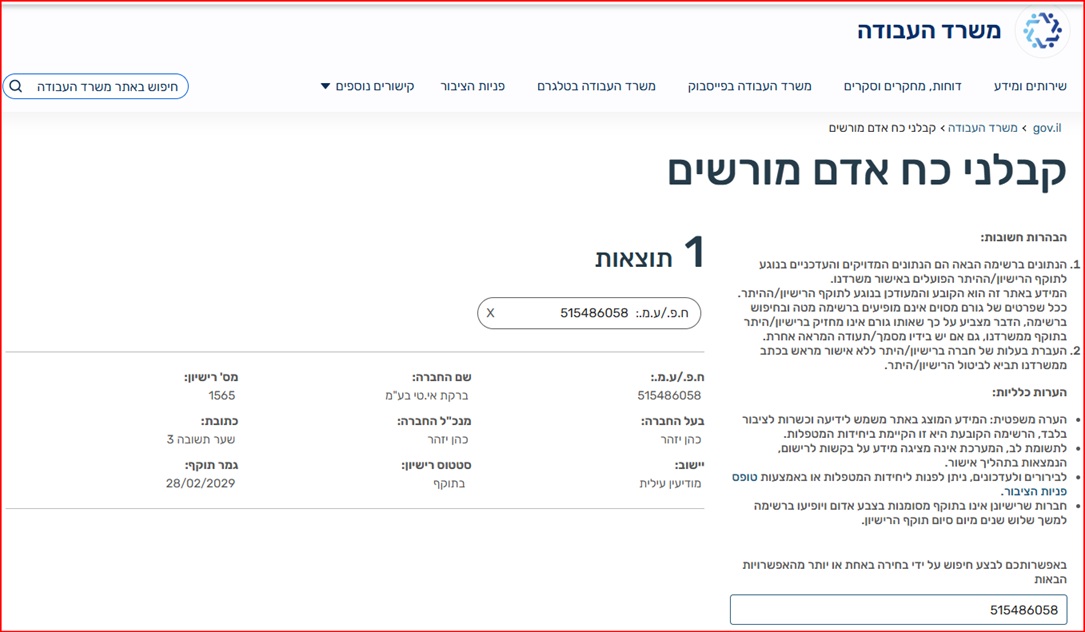 אימות הרישיון באתר משרד העבודה
למידע המלא · דף רישיון קבלן כוח אדם ←
אימות הרישיון באתר משרד העבודה
למידע המלא · דף רישיון קבלן כוח אדם ←