
Employer of Record בישראל
מעסיקים בישראל בלי ישות מקומית · מודל המעסיק החוקי שהופך צוות מרוחק למהיר ולחוקי.
להמשך קריאהאנחנו משתמשים בעוגיות חיוניות כדי שהאתר יעבוד. באישורכם נשתמש גם בעוגיות מדידה ופרסום של Google ו‑Microsoft, כדי להבין איך משתמשים באתר, לשפר אותו ולמדוד את הפרסום שלנו. אנחנו לא מוכרים את המידע שלכם.
אפשר לשנות את הבחירה בכל עת בקישור ״הגדרות עוגיות״ בתחתית כל עמוד.

כניסה לחשבון הקיים, או הרשמה מהירה תוך דקה.
בחרו איך נוח לכם · אנחנו כאן בשבילכם.
הכול על NETO · שקוף וזמין
בחרו מועד נוח · נציג יחזור לאישור בטלפון/מייל
צוותי טכנולוגיה ישראליים מרוחקים יכולים לנוע מהר, אבל המבנה הוא שקובע. מודל ברור של גיוס, שכר וניהול חוסך בלבול מהעובד הראשון והלאה.
בניית צוות טכנולוגי מרוחק בישראל מתחילה מגיוס טאלנט ישראלי דרך תשתית העסקה מורשית · בלי להקים ישות משפטית מקומית. NETO היא קבלן כוח-אדם מורשה (רישיון 1565, פעילה מ-2016) שמנהלת את מחזור-החיים המלא: מהעובד הראשון ועד שכר, קליטה וצמיחה מ-1 ל-15 עובדים ומעלה. כל עלות ההעסקה · שכר, הפרשות ודיווח לרשויות · מרוכזת בחשבונית אחת בעמלה של כ-5%, כך שסטארטאפ צומח בישראל בלי בירוקרטיה.
חברות גלובליות רבות מתחילות עם עובד ישראלי אחד או שניים, ומחליטות בהמשך אם מוצדק להקים ישות מקומית או מרכז פיתוח גדול יותר. ככל שמקימים מוקדם יותר מודל נקי של גיוס, שכר וניהול, כל שלב עתידי נעשה קל יותר.
כדי לבנות צוות טכנולוגי מרוחק בישראל מגדירים את התפקיד הראשון, תקציב השכר, המנהל שאליו מדווחים, היקף העבודה ומבנה ההעסקה. חברות זרות רבות מתחילות עם עובד ישראלי אחד או שניים דרך EOR / ספק שכר, ומחליטות בהמשך אם ישות מקומית או מרכז פיתוח גדול יותר מוצדקים.

NETO מחזיקה ברישיון קבלן כוח אדם ישראלי מספר 1565 ופועלת בהתאם לדרישות ההעסקה והשכר בישראל. אפשר לאמת את הרישיון ברשימה הרשמית ב-gov.il.
תהליך העסקה ושכר ישראלי תחת רישיון מספר 1565.
תלושי שכר, ניכוי מס, ביטוח לאומי וטיפול בפנסיה.
נבנה עבור חברות זרות שמעסיקות עובדים ישראלים בלי חיכוך של הקמה מקומית.
תהליך שמתחיל בסימולציה, עוד לפני שכר וחשבוניות.
מדריך קצר למעסיקים על תהליך העבודה בפועל: הרשמה, פרטי העובד, סימולציה, חשבונית וניהול השכר המקומי.
צפו · בפחות מ-2 דקות תראו כמה פשוט לשלם לעובד בישראל דרך NETO.
הטעות של חברות רבות היא להתייחס לעובד הישראלי הראשון כאל החלטת "פרילנסר" לא פורמלית. אם האדם עובד כמו שכיר, מדווח לצוות שלכם ונעשה חלק מתהליך המוצר, כדאי לבחון את המבנה לפני תחילת העבודה.
ארבעה מהלכים שהופכים עובד ישראלי ראשון למודל גיוס חוקי שחוזר על עצמו.
מחליטים אם צריך ארכיטקטורה, backend, DevOps, סייבר, דאטה או הנדסת מוצר. לא מתחילים מצורך כללי ומעורפל.
מתכננים עלות מעסיק מלאה, לא רק שכר. כוללים שכר, פנסיה, ביטוח לאומי, חופשות ומבנה שירות.
עובדים עם EOR / שכר, מודל קבלני או חברה בת, לפי העובדות בשטח והתוכנית ארוכת הטווח.
מבהירים מי מפקח על העובד, איך מאשרים עבודה ואיך מודדים ביצועים.
עם עובד אחד או שניים, מבנה EOR / שכר יכול להיות יעיל. ככל שהצוות גדל, בוחנים אם צורכי הניהול, הקניין הרוחני, המשפט, המס והתפעול מצדיקים ישות מקומית. ההחלטה צריכה להתבסס על התקדמות אמיתית, לא על תוכניות תיאורטיות.
| שלב | צורך טיפוסי | מיקוד מומלץ |
|---|---|---|
| עובד ראשון | לאמת את הטאלנט ואת שיטת העבודה. | מבנה שכר ברור וקליטה מסודרת. |
| 2–5 עובדים | לבנות המשכיות וקצב ניהולי. | דיווח, תיעוד ושקיפות בעלויות. |
| 6–15 עובדים | לשקול הנהגה מקומית. | בחינת ישות מול EOR, תהליכי HR, בדיקת ציות. |
NETO עוזרת לחברות זרות להעסיק ולשלם לעובדים ישראלים דרך מבנה העסקה ושכר מקומי, בלי להקים ישות ישראלית במקרים רבים. התהליך כולל תלושי שכר ישראליים, דיווחי שכר, ביטוח לאומי, פנסיה ותיעוד העסקה.
NETO מחזיקה ברישיון קבלן כוח אדם ישראלי מספר 1565. קבלני כוח אדם מורשים ניתנים לאימות באתר הרשמי של ממשלת ישראל: רשימת קבלני כוח האדם ב-gov.il.
להתחיל הרשמת מעסיק
בניית צוות טכנולוגי מרוחק בישראל עובדת הכי טוב כשמתחילים בקטן אבל בונים נכון: מגדירים את התפקיד הראשון, מתכננים את עלות המעסיק המלאה, בוחרים את מודל ההעסקה הנכון ומתעדים איך העובד מנוהל. חברות זרות רבות מתחילות עם עובד ישראלי אחד או שניים דרך EOR / ספק שכר, צומחות עד 15, ורק אז שוקלות אם ישות מקומית מוצדקת. NETO מלווה את התהליך כולו תחת רישיון קבלן כוח אדם 1565.
NETO יכולה לעזור לכם לבצע סימולציית עלות, לקלוט עובדים ולנהל את תהליך השכר המקומי · כדי שתעסיקו באופן חוקי מהעובד הראשון והלאה.
מעסיקים בישראל בלי ישות מקומית · מודל המעסיק החוקי שהופך צוות מרוחק למהיר ולחוקי.
להמשך קריאה
איך חברות גלובליות מוצאות ומגייסות טאלנט טכנולוגי ישראלי מהר · בלי ישות מקומית ובלי HR מקומי.
להמשך קריאה
תלושים, הפרשות מעסיק, פנסיה ודיווחי מס · איך שכר בישראל באמת עובד.
להמשך קריאה יכ
יככל הדפים, מסודרים לפי נושא · עיינו בהיררכיה המלאה או דלגו ישר פנימה.
התאמת האתר לצרכים שלך
כאן אפשר לבקש לעיין במידע שנשמר עליכם, לתקן אותו, למחוק אותו, לבטל הסכמה שנתתם או להפסיק לקבל מאיתנו דיוור והתראות. נענה תוך 30 יום, ובקשת הסרה נטפל בה תוך 7 ימי עסקים. מדיניות פרטיות
ברקת אי.טי בע״מ · בשם המותג NETO · היא חברת כוח אדם בעלת רישיון 1565 ומפוקחת על ידי משרד העבודה.
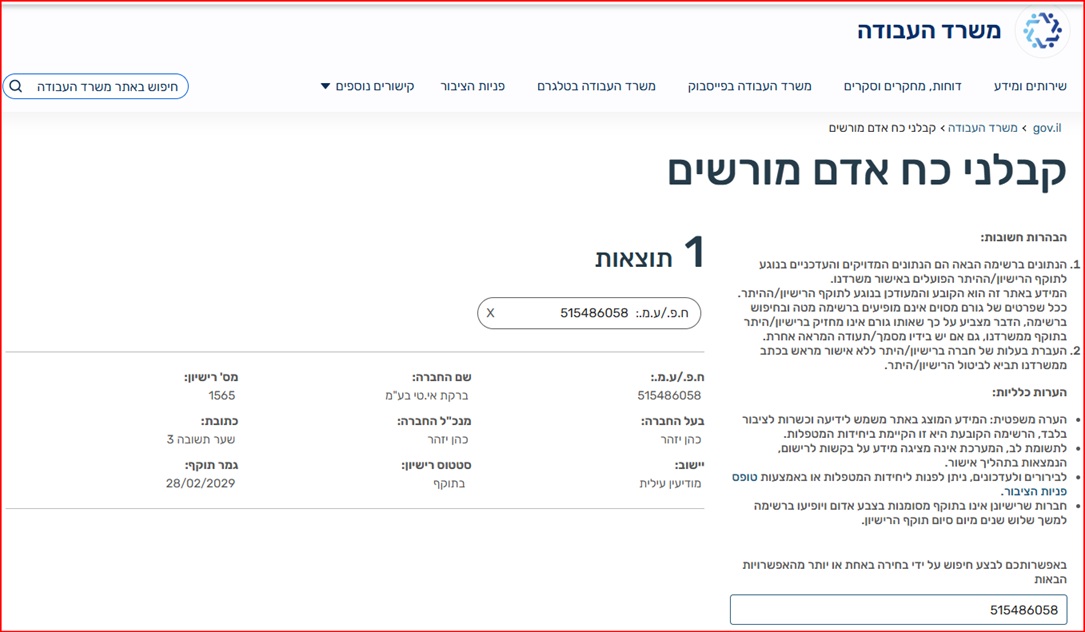 אימות הרישיון באתר משרד העבודה
למידע המלא · דף רישיון קבלן כוח אדם ←
אימות הרישיון באתר משרד העבודה
למידע המלא · דף רישיון קבלן כוח אדם ←