Freelancing while employed in IsraelTake a side project without trouble with your employer, the tax authority or National Insurance · NETO gives the client an invoice while you receive a payslip and net salary, with no business file to open
You are salaried, and a client wants to pay you for a side project · but they need an invoice, and opening a business file feels far too early for one job. This guide covers your legal rights, how tax coordination works, and the clean route: NETO invoices the client and pays you through payroll, so you keep the extra income without the paperwork.

AI summary · Freelancing while employed in IsraelClick to read the page summary
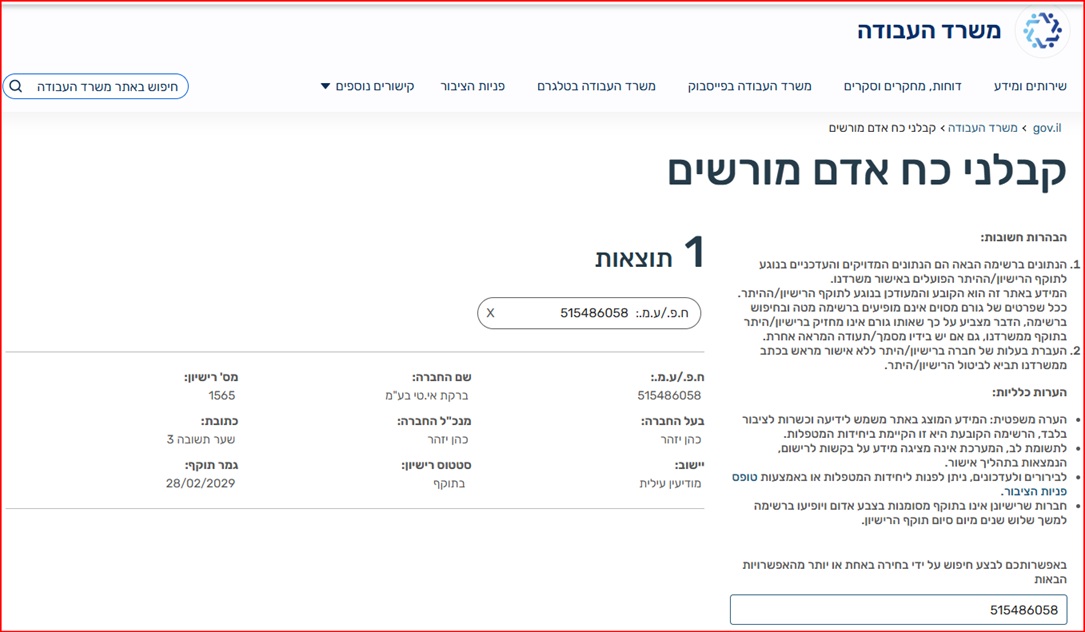
Freelancing while employed in Israel is possible, but it is not just a payment question. Before accepting a client project, check your employment contract for exclusivity and conflict-of-interest clauses, plan tax coordination for the second income, understand your National Insurance exposure, and choose a route: open a business file, invoice through NETO, or take a second employment. For an occasional job, NETO gives the client a proper invoice while you receive a payslip and net salary · no business file to open, and one transparent fee taken from the client invoice. NETO operates under manpower contractor license 1565 (Bareket I.T Ltd, company id 515486058).
Start with your employment contract
The first question is not whether the tax authority allows side income. It is whether your employer agreement allows this specific type of work. Review exclusivity, non-compete, confidentiality, use of company equipment, ownership of code or creative work, and conflict-of-interest clauses.
If the side project touches your employer's market, client base, data, technology or working hours, get written approval before starting. Once the contract side is clear, the rest is a matter of choosing a clean route for the side income and coordinating tax.
Example: you work full time for a software company, and a startup asks you to build a small dashboard for NIS 7,500. The client needs an invoice. Opening a business file feels too early. This is exactly the case NETO's invoice route was built for.
Why get paid through NETO
Everything a business file would give you for a one-off project · without opening one. NETO turns a side invoice into a payslip.
No business file to open
Invoice a client through NETO without registering a tax file or setting up bookkeeping · ideal for an occasional project you are not ready to build a business around.
Compliant payment
The client receives a proper invoice while you receive a payslip and net salary. The invoice versus payslip question is handled for you.
Tax handled in the flow
Withholding and reporting run through payroll, so a second income is not mishandled. You can still arrange tax coordination to avoid over-withholding.
Contract-safe by design
Paid as an employee of a licensed manpower company (), the engagement is documented and clean · easy to keep clear of conflicts with your main job.
Full statutory footing
You are employed, so the payment carries proper reporting and statutory footing rather than an informal cash arrangement · secure for both you and the client.
One transparent fee
A single fee taken from the client invoice · no accounting software, no local accountant and no fixed overhead just to get paid for one project.
From side project to net pay · in five steps
A simple, repeatable path. You handle the work and the client relationship · NETO handles what makes the payment legal and clean.
- Start with your employment contract. Check exclusivity, non-compete, confidentiality, IP and conflict-of-interest clauses. If the project touches your employer's market, clients, data or hours, get written approval first.
- Choose your payment route. Decide between opening a business file, invoicing through NETO, or a second employment · based on how often the work recurs and whether the client needs an invoice.
- Coordinate your tax. With more than one income source, arrange tax coordination so the second income is not over-withheld at the default rate.
- Check National Insurance. Classification depends on the scope, hours and regularity of the side activity, so recurring work should be checked carefully.
- Get paid through NETO. For an occasional project the client receives an invoice, you receive a payslip and net salary, and NETO handles the reporting · with no business file to open and one transparent fee taken from the client invoice.
Three legal routes · which one fits your project
The same goal · getting paid lawfully for side work · reached three different ways. The right one depends on how often the work recurs.
| What it takes | Open a business file | Invoice through NETO | Second employment |
|---|---|---|---|
| Best for | Recurring, growing activity | Occasional projects and one-offs | When the client will employ you |
| Opening overhead | Register a tax file and bookkeeping | Nothing to open | Depends on the client |
| The client receives | A tax invoice from you | A proper invoice from NETO | Nothing · they employ you |
| You receive | Business income to manage | A payslip and net salary | A second payslip |
| Tax coordination | Handle it yourself | Runs through the payroll flow | Needed between employers |
| Fit for short projects | Often too heavy | Built for it | Often impractical |
Still deciding? A quick situational guide · match your case to the first thing worth checking:
| Your situation | Check first | Why |
|---|---|---|
| One small project | Invoice through NETO | Avoid opening a business too early |
| Monthly clients | Business file | Recurring activity needs a stable structure |
| Client competes with your employer | Written approval | Conflict-of-interest risk |
| Two income sources | Tax coordination | Prevent unnecessary withholding |
Not ready to register a business? See the alternatives to opening a business in Israel and how a private invoice without a business can work.
Two income sources · coordinate before you get paid
Freelancing while employed in Israel usually means more than one income source. Tax coordination helps prevent excessive withholding, so the side income is not taxed at the high default rate. National Insurance classification depends on the nature and scope of the side activity, so recurring work should be checked carefully · a single occasional job is treated differently from a monthly engagement.
Official sources: Israel Tax Authority · tax coordination and National Insurance for self-employed workers. For the fuller picture, see the guide to tax on additional income in Israel.
A licensed, secure payment route · not an informal arrangement
Licensed and supervised
Employing and paying workers in Israel through a licensed manpower company is fully lawful. NETO operates through Bareket I.T Ltd (company id 515486058) under manpower contractor license 1565, supervised by the Ministry of Labor, with guarantees deposited against workers' wages.
- License 1565 · verifiable in the state database
- Bank guarantees securing the worker's pay
- Operating since 2016 as an employment platform
Automated and transparent
NETO is a digital employment platform. Contracts, payslips, invoicing, reporting and payments run through one automated system, so getting paid for a side project is fast, available and fully visible · with the reporting of occasional work handled correctly from the start.
- One transparent fee taken from the client invoice
- A proper payslip · no informal cash handling
- Clean documentation for both you and the client
You can verify NETO's license directly in the Ministry of Labor's manpower contractor database · a public register of every licensed manpower company in Israel.
One project now · a business file can wait
You do not have to commit to opening a business to accept a single client project. Invoice it through NETO: the client receives a proper invoice, you receive a payslip and net salary, and if the work later becomes recurring you can move to a business file when it genuinely makes sense.
Not sure which case you are in? Compare the routes in the guide to random and occasional work in Israel, or talk it through with us. Everything is set up so the invoice or payslip question is answered cleanly.

Watch · how NETO works
A two-minute walkthrough · from signup to a legal payslip.
Freelancing while employed · questions and answers
Can I freelance while employed in Israel?
Do I need to open a business to invoice a client?
Do I need tax coordination for a second income?
What about National Insurance on side income?
How does getting paid through NETO work?
Is being paid this way legal in Israel?
When should I open a business file instead?
Get paid for your side project · without opening a business
Sign up for free and NETO invoices the client while you receive a payslip and net salary · tax and reporting handled, for one transparent fee taken from the client invoice, with no business file to open. Operating since 2016 under manpower contractor license 1565, supervised by the Ministry of Labor.
In summary
You can freelance on the side while salaried in Israel · it just takes three checks first. Confirm your employment contract allows the work, plan tax coordination for the second income, and understand your National Insurance exposure. Then choose a route: open a business file, invoice through NETO, or take a second employment. For an occasional project, NETO gives the client a proper invoice while you receive a payslip and net salary · no business file to open, one transparent fee taken from the client invoice. NETO has operated since 2016 under manpower contractor license 1565 (Bareket I.T Ltd, company id 515486058).
- Contract first · check exclusivity, IP and conflict-of-interest clauses.
- No business file needed · invoice a one-off project through NETO.
- Compliant payment · the client gets an invoice, you get a payslip.
- Coordinate tax · prevent the second income being over-withheld.
- Check National Insurance · classification depends on scope and regularity.
- Licensed and secure · license 1565, supervised by the Ministry of Labor.
Related NETO guides

Side income for employees
How salaried employees add income on the side, lawfully and cleanly.
Side income for employees
Tax coordination for employees
Avoid over-withholding when you have more than one income source.
Tax coordination in IsraelInvoice vs payslip in Israel
Compare payment routes and how the employment is handled.
Invoice vs Payslip in Israel – The DifferencePrivate invoice without a business
What is possible, what to avoid, and the clean route to an invoice.
Private invoiceTax on additional income
Tax coordination, National Insurance and what you actually keep.
Tax on additional incomeAlternatives to opening a business
Legal routes to get paid before you open a tax file.
Alternatives to opening aManpower contractor license 1565
The license, the guarantees and what the law requires · in one place.
Manpower Contractor License