Maternity Leave in Israel – The Complete Employer Guide 2026
Maternity leave in Israel, now called the birth and parenting period, combines a paid part funded by Bituach Leumi (National Insurance) with an optional unpaid extension. This 2026 guide covers duration, who pays, eligibility by insurance months, dismissal protection, employer duties, and how NETO handles full compliance on your behalf as your Employer of Record.
AI Summary Smart overview of this page · click hereClick to read the page summary
Maternity leave in Israel is now called the birth and parenting period. It has a paid part · maternity pay (dmei leida) paid by Bituach Leumi (National Insurance), not by the employer · and a further part that can usually be extended without pay. For an employee who has accumulated enough insurance months, the paid part is generally up to about 15 weeks; fewer months can mean a shorter paid period. Maternity pay is calculated on the determining wage. The Women's Employment Law protects the employee from dismissal during pregnancy, during the birth and parenting period and for a period after return · a Ministry of Labor permit is often required first. NETO, a licensed manpower contractor (#1565), acts as your Employer of Record: we run payroll, withhold and report National Insurance so the insurance months accrue, and preserve every statutory right · accurately and in full compliance. Exact figures change from time to time · always verify at Bituach Leumi and Kol Zchut. This is general information, not legal advice.
This summary is generated from the page content and the linked sources · full detail below. It is not legal advice.
Guide Summary
Everything you need to know about maternity leave in Israel · the essential guide for every employer, in brief:
- The birth and parenting period = a paid part + an optional unpaid extension.
- The paid part depends on accumulated insurance months before the birth.
- Maternity pay is paid by Bituach Leumi (National Insurance) · not by the employer.
- Dismissal protection applies in pregnancy and after birth · under the Women's Employment Law.
Exact figures (paid weeks, required insurance months and payment amounts) are updated from time to time · always verify at Bituach Leumi and Kol Zchut. This is general information, not legal advice.
Table of Contents
- What Is Maternity Leave? (Birth and Parenting Period)
- How Long · Paid vs Unpaid
- Who Pays · Maternity Pay from Bituach Leumi
- Eligibility · Insurance Months
- Paid vs Unpaid · Summary Table
- Protection Against Dismissal
- Employer Duties
- How to Claim Maternity Pay · Step by Step
- The NETO EOR Solution
- Frequently Asked Questions
- Summary
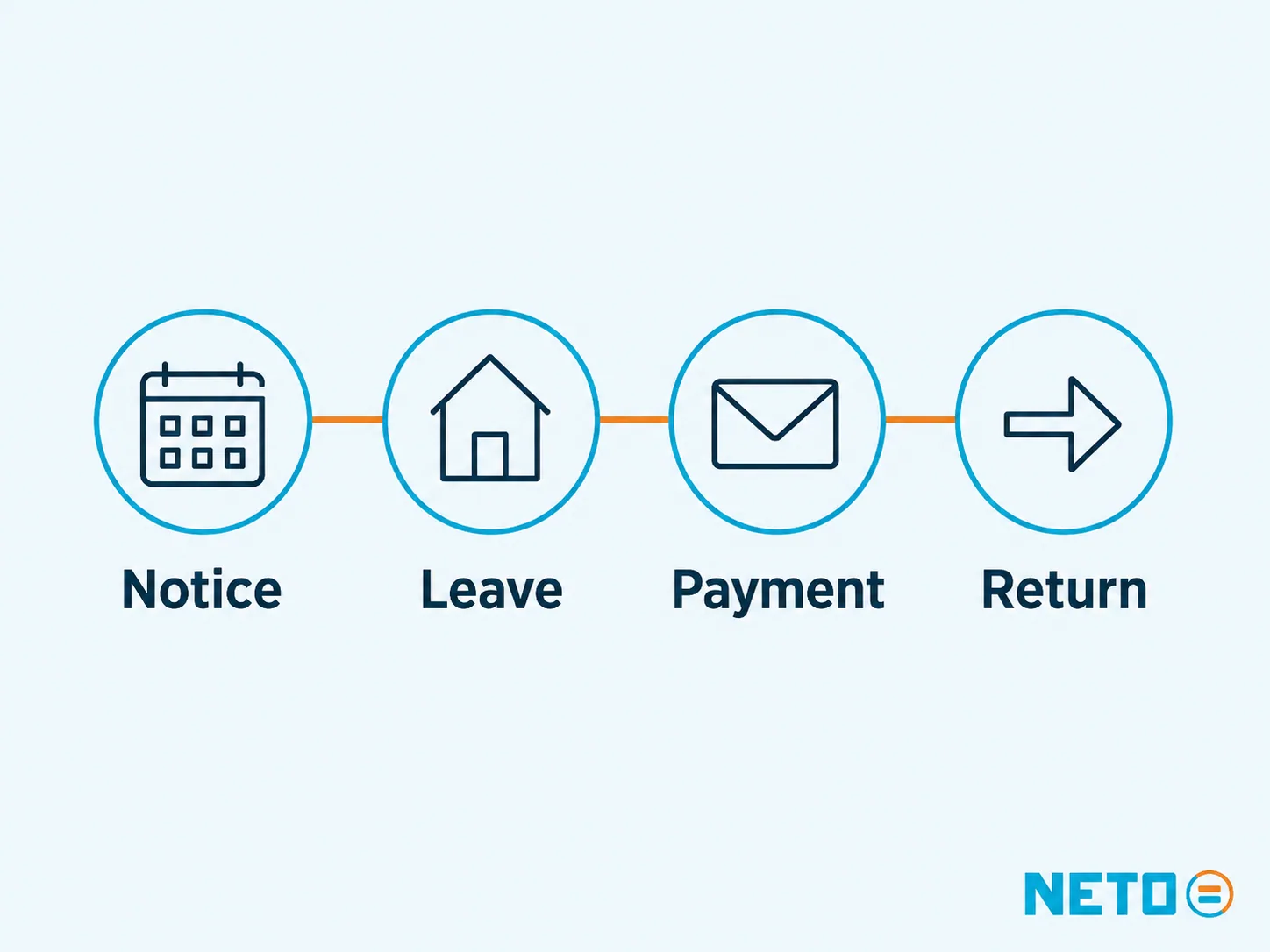
Maternity leave in Israel 2026 · key figures
What Is Maternity Leave? The Birth and Parenting Period
The familiar term "maternity leave" is now called in Israeli law the birth and parenting period · the time a parent who has just had a child is absent from work to care for the baby and recover from the birth. The period is built from two parts: a paid part, during which maternity pay is paid by the National Insurance Institute (Bituach Leumi), and a further part that can usually be extended without pay.
The paid part is not the same for everyone · it depends on the number of insurance months accumulated before the birth. As a rule, someone who accumulated enough insurance months is entitled to a longer paid period, and someone who accumulated fewer · to a shorter paid period. To know the exact numbers that apply to a specific case under the National Insurance rules, verify at the National Insurance Institute and on Kol Zchut.
How Long · Paid vs Unpaid
The birth and parenting period includes a paid part and a part that can be extended without pay:
Through maternity pay, generally up to about 15 weeks for an employee who has accumulated enough insurance months. Fewer months can mean a shorter paid period.
Beyond the paid part, the total period can usually be extended without pay, preserving certain rights during the extension.
Who Pays? Maternity Pay from Bituach Leumi
Maternity pay (dmei leida) is the paid part of the birth and parenting period · and it is paid by the National Insurance Institute (Bituach Leumi), not by the employer. The amount is calculated on the basis of the employee's determining wage and in line with the current rules.
The employer's part in this is upstream: by running compliant payroll and withholding and reporting National Insurance, the employer ensures the employee accumulates the insurance months that create eligibility for maternity pay. See how contributions work in the guide to employee pension contributions in Israel and the wider picture of Israel payroll.
Eligibility · Insurance Months
Eligibility for the paid part of maternity leave depends on accumulated insurance months. In general terms:
- The employee must be insured under National Insurance as a salaried employee
- Enough insurance months must be accumulated before the birth · more months, longer paid period
- Fewer insurance months may mean a shorter paid period, with the option to extend unpaid
- In certain conditions, part of the period can be shared with a spouse, who may be eligible for maternity pay for that part
Paid vs Unpaid · Summary Table
The table shows the principle qualitatively only: the more insurance months accumulated, the larger the paid part. It does not replace an individual check · the exact numbers must be verified under the National Insurance rules.
| By seniority and insurance months | Paid part (maternity pay) | Unpaid extension |
|---|---|---|
| Many insurance months accumulated | Longer paid period · per National Insurance rules | Can usually be extended |
| Fewer insurance months accumulated | Shorter paid period · per National Insurance rules | Can usually be extended |
| Who pays the paid part | National Insurance Institute (maternity pay) | No salary paid in this part |
| Calculation basis | The determining wage · per National Insurance rules | Certain continuity of rights preserved |
| Protection against dismissal | Applies during pregnancy and the birth and parenting period | Also in the unpaid part |
The table describes principles only and contains no binding figures. Verify current numbers at Bituach Leumi and Kol Zchut.
Protection Against Dismissal · Pregnancy and After Birth
The Women's Employment Law sets significant protections for the employee and parent: restrictions on dismissal during pregnancy, during the birth and parenting period, and for a period after the return to work. In many cases a permit from the Ministry of Labor is required before dismissal, and in certain cases it is prohibited to reduce the scope of the role or the income.
These rules change with the law and the circumstances. The precise detail · who is protected, for how long, and when a permit is required · should be checked on Kol Zchut and at the Ministry of Labor. See also the Severance Pay Law in Israel.
Employer Duties Around Maternity Leave
Beyond funding, employers in Israel carry practical duties around the birth and parenting period:
Hold the position and allow the employee to return to work at the end of the period.
No dismissal during the protected window without a Ministry of Labor permit where required.
Withhold and report so insurance months accrue and eligibility for maternity pay is preserved.
Respect the nursing hour and other related entitlements where they apply.
Where prohibited, do not reduce the scope of employment or income during the protected period.
Maintain proper records and consult a labor-law professional in edge cases.
How to Claim Maternity Pay · Step by Step
Maternity pay is paid by the National Insurance Institute, not by the employer. The general steps are below · forms, deadlines and exact conditions are updated, so verify at the National Insurance Institute.
| Step | What to do |
|---|---|
| 1 · Check eligibility | Confirm eligibility and the number of insurance months accumulated · this determines the length of the paid period. |
| 2 · Collect documents | ID, bank account details, employment and salary confirmations, and relevant medical certificates. |
| 3 · Submit the claim | File a maternity pay claim with Bituach Leumi online or at a branch, usually close to the date of birth. |
| 4 · Receive payment | Once approved, maternity pay is paid for the paid part of the period, based on the determining wage. |
Maternity Leave in Israel · The NETO EOR Solution
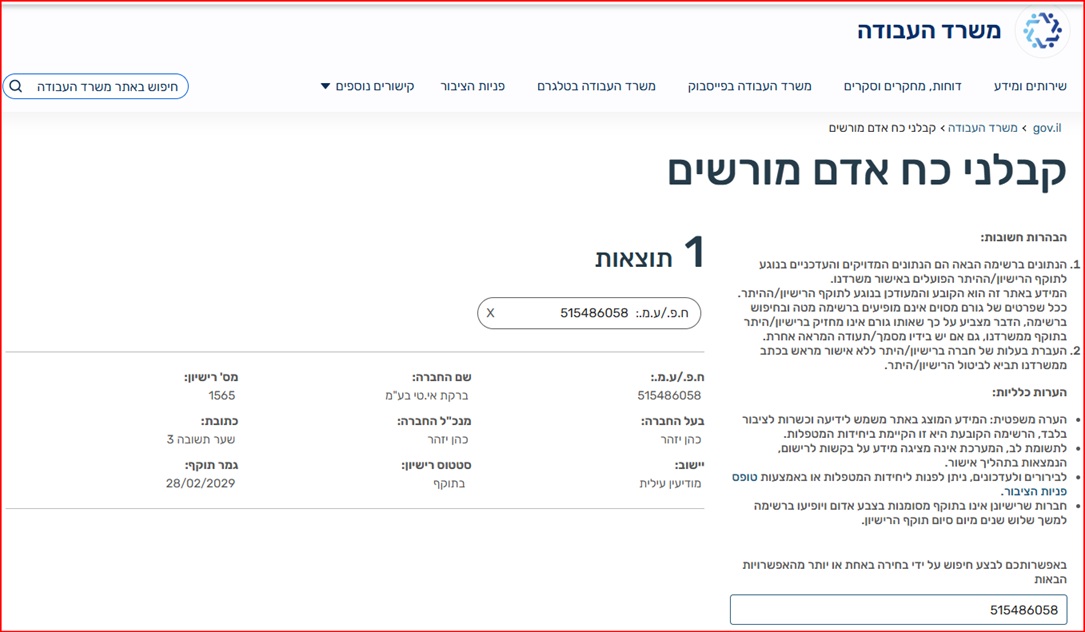
Preserving the job, protecting against dismissal, running payroll so insurance months accrue, and coordinating the return to work · all of these require specialised knowledge and constant attention. When you hire employees through NETO as your Employer of Record (EOR), all employer obligations transfer to us:
Pay slips, National Insurance and income tax withholding · so insurance months accrue for maternity-pay eligibility.
Dismissal protection, job preservation and related entitlements · handled in full compliance with the law.
Lawsuits, fines and audits are on us, as the licensed legal employer (#1565).
Just like your own team · only without the bureaucracy. Learn more about NETO's EOR in Israel.
Frequently Asked Questions
How long is maternity leave in Israel?
The birth and parenting period includes a paid part and a part that can usually be extended without pay. For an employee with enough insurance months, the paid part is generally up to about 15 weeks. Exact figures are set by the National Insurance rules and the Women's Employment Law and change from time to time · verify at btl.gov.il and Kol Zchut.
Who pays maternity pay in Israel?
Maternity pay (dmei leida) is paid by the National Insurance Institute (Bituach Leumi), not by the employer. It is calculated on the determining wage. The employer withholds and reports National Insurance so the insurance months that create eligibility accrue.
What determines whether the leave is paid or unpaid?
The paid part depends on accumulating enough insurance months before the birth. Fewer months can mean a shorter paid period. The overall period can usually be extended without pay. The precise rules are set by the National Insurance Institute.
Can an employer dismiss a pregnant employee or one on maternity leave?
The Women's Employment Law provides significant protection against dismissal during pregnancy, during the birth and parenting period and for a period after return. In many cases a Ministry of Labor permit is required first. This is general information, not legal advice · verify at Kol Zchut and the Ministry of Labor.
How do you claim maternity pay from Bituach Leumi?
Check eligibility and insurance months, collect documents (ID, bank details, employment and salary confirmations, medical certificates) and submit a claim to the National Insurance Institute online or at a branch, usually close to the birth. Once approved, maternity pay is paid for the paid part based on the determining wage.
Is an employee working through NETO entitled to maternity leave?
Yes. A person employed through NETO is defined as a salaried employee and receives a payslip with National Insurance contributions. Accumulating insurance months as a salaried employee is the basis for maternity-pay eligibility. NETO handles reporting and contributions to the authorities, while eligibility and amounts are determined by the National Insurance Institute under the current rules.
Summary
Maternity leave in Israel · the birth and parenting period · combines a paid part funded by Bituach Leumi (National Insurance) with an optional unpaid extension. The paid part depends on accumulated insurance months, maternity pay is calculated on the determining wage, and the Women's Employment Law protects the employee from dismissal during pregnancy and after the birth. Employers must preserve the job, run compliant National Insurance reporting and honour the related rights.
For international companies hiring in Israel, managing this compliance can be complex. NETO offers a complete EOR solution that handles all employer obligations · from payroll and National Insurance to legal protection · so the employee's maternity rights are preserved in full. Contact us today to learn how we can simplify your Israeli employment.
Last updated: 09/07/2026 · rules and figures change from time to time · verify at Bituach Leumi and Kol Zchut. General information, not legal advice.
Ready to Hire in Israel with Full Compliance?
Let NETO handle payroll, maternity compliance and the legal complexity · so you can focus on your business. Register free for a payroll simulation, or ask us on WhatsApp.