What Is a Self-Employed Person Who Does Not Meet the Definition?
This is a National Insurance classification for someone who earns income from a business but does not meet the threshold conditions of a self-employed worker. It is set by actual hours and income, not by choice · and alongside lower insurance contributions it denies important social rights. There is a simpler way: issue an invoice and stay a salaried employee with full rights.
Three threshold conditions for a self-employed worker
- At least 20 hours of work a week
- Income of at least 50% of the average wage in the economy
- Combination · at least 12 hours a week with income of 15% of the average wage
AI summary · self-employed who does not meet the definitionClick to read the page summary
A self-employed person who does not meet the definition is someone who earns income from a business but does not meet any of the three threshold conditions of a self-employed worker at National Insurance · at least 20 hours a week, or 50% of the average wage, or 12 hours with 15% of the average wage. This is not a status you choose · it is set by actual activity, and National Insurance can change it retroactively. Alongside lower insurance contributions, the status denies social rights such as maternity allowance, work injury benefit and risk pregnancy allowance. Important: even a small business must open a VAT file, and working as self-employed without a file is an offense. The NETO solution · issue an invoice like a freelancer and receive a lawful payslip as an employee, staying registered as a salaried employee with full rights, without opening a file.
- Definition · earns income from a business but does not meet the threshold conditions of a self-employed worker.
- Not a choice · the status is set by hours and income, and changes retroactively too.
- Rights that are denied · maternity allowance, work injury benefit, risk pregnancy allowance.
- VAT · even a small business must open a file · working without a file is an offense.
- Reporting · change of status · Form 6101, usually within 60 days.
- NETO solution · invoice like a self-employed person · payslip with full rights.
In brief
A self-employed person who does not meet the definition is any self-employed worker who does not meet any of the three threshold conditions of a self-employed worker under National Insurance. This includes freelancers who work few hours, consultants with low income, or people for whom the self-employed work is a small side income. The status is not a choice · it is set by actual hours and income, and alongside lower insurance contributions it also reduces rights.
- Who is included · earns income from a business but does not meet the self-employed worker conditions (hours/income).
- Not a choice · National Insurance decides by actual activity, and can change it retroactively.
- Hidden cost · fewer rights · maternity allowance, work injury and risk pregnancy may be denied.
- The simple way · with NETO · invoice like a self-employed person, payslip with full rights.
Who is defined as a self-employed person who does not meet the definition · and what the criteria are
Self-employed work offers freedom and flexibility, but it holds an insurance challenge most self-employed people are not aware of. The distinction between self-employed who meets the definition and does not meet the definition determines the level of insurance contributions, the social rights and the level of economic protection in times of crisis. The threshold conditions for the definition of a self-employed worker require one of three criteria.
Working hours
Working at least 20 hours a week. The hours include not only providing the service, but also preparation time, client meetings, administrative work and managing the business.
Income level
Earning at least 50% of the average wage in the economy. Income is calculated as the average monthly income from self-employed work, after recognized expenses.
Combination of hours and income
A combination of at least 12 hours of work a week with income of at least 15% of the average wage. Meeting this combination is enough to be considered a self-employed worker.
When the status changes mid-year · and how to report correctly
The status of part-time freelancers can change during the year. Someone who started as does not meet the definition and increased their workload may move to meets the definition · and vice versa. The change is not automatic in terms of reporting, so it is important to act in order.
Check the conditions in practice
Compare your hours and income to the three threshold conditions. If you started as does not meet and increased activity · you may already meet the definition.
Document consistently
Keep records of hours and income, and make sure your report to National Insurance matches your report to Income Tax · the authorities exchange information with each other.
Report a change · Form 6101
You must notify a change of status using Form 6101, usually within 60 days · otherwise retroactive charges or fines may apply.
Monitor on an ongoing basis
Many self-employed people check their status every quarter. A timely update saves the late discovery of a mistake that can be costly, and can also reduce insurance contributions when income drops.
Payments and rights · what is really at stake

A self-employed person who does not meet the definition pays lower insurance rates · but also receives fewer rights. The immediate saving on payments may become costly at exactly the moment you need coverage. Here are the three main axes.
Insurance contributions and health tax
The payment varies by status and by income level, in a graduated structure · there is an exemption for those with especially low income, and amounts rise for higher earners. Someone who does not meet the definition pays less, but receives fewer rights in return.
Rights that may be denied
Usually there is no entitlement to maternity allowance, work injury benefit or risk pregnancy allowance · rights that depend on the meets the definition status and on the actual payment of insurance contributions. In certain life situations this is a critical difference.
What is preserved
Basic benefits (such as child allowance) may be preserved, and the obligation to contribute to a pension applies to all self-employed people · including those who do not meet the definition. Insurance periods paid in the past are preserved for future rights.
NETO has a much simpler solution · invoice like a self-employed person, rights like an employee
Instead of diving into the bureaucracy of opening a self-employed file and getting tangled in the definitions of the self-employed who does not meet the definition · NETO lets you issue an invoice like a self-employed person and receive a payslip, staying registered as a salaried employee with all the authorities (both Income Tax and National Insurance).
You issue a tax invoice to the client
You can issue a tax invoice to your client like a freelancer · even for a one-off job and even if the client is abroad, without opening a business at all.
You receive a lawful payslip
As a licensed manpower company operating under the classification of insured persons order, NETO employs you and issues you a payslip · with full social contributions and National Insurance.
We handle the authorities
In return for a 5% success fee on the invoice, NETO handles all the dealings with the authorities · VAT, Income Tax and National Insurance. You focus on your work.
How much net will I keep from a 10,000 NIS invoice?
Check for yourself with a salary simulation · no commitment. NETO lets you both stay a salaried employee and start issuing invoices lawfully like a self-employed person, without opening a self-employed file.
The three paths · side by side
A comparison between the self-employed who does not meet the definition status, the self-employed who meets the definition status, and NETO's employment model.
| Topic | Does not meet the definition | Meets the definition | With NETO |
|---|---|---|---|
| Opening a VAT file | Required | Required | Not required |
| Bookkeeping and reporting | Your responsibility | Your responsibility | NETO handles it |
| Maternity / work injury | Usually denied | Subject to conditions | As an employee · full |
| Social contributions | Partial | Your responsibility | Like an employee |
| Retroactive status change | Possible · a risk | Possible · a risk | Not relevant |
| Administrative complexity | High | High | Minimal |
The comparison is general and for illustration only · the exact eligibility conditions depend on the circumstances and on the National Insurance criteria.
Self-employed who does not meet the definition · questions and answers
What is the difference between a self-employed person and one who does not meet the definition?
A self-employed person who meets the definition earns income from a business and meets one of the legal thresholds (hours or income). A self-employed person who does not meet the definition earns income from a business but does not meet the thresholds. Important: VAT does not distinguish between the statuses, the status is set by actual activity and not by choice, and National Insurance can change it retroactively.
What are the criteria for the definition of a self-employed worker?
One of three is required: working at least 20 hours a week, or earning at least 50% of the average wage in the economy, or a combination of at least 12 hours a week with income of at least 15% of the average wage. The figures are updated from time to time · verify with National Insurance.
Can the status be changed in the middle of the year?
You do not freely choose the status · it is set by actual hours and income. When there is a material change there is an obligation to report to National Insurance, usually within 60 days. National Insurance can also make the change retroactively, so a timely update saves fines and surprises.
Which social rights are preserved or denied?
A self-employed person who does not meet the definition may be entitled to basic benefits, but is usually not entitled to rights that depend on status and on the actual payment of insurance contributions · such as maternity allowance, work injury benefit and risk pregnancy allowance. Entitlement depends on status, insurance periods and the conditions of each benefit · verify with National Insurance.
If I issue one or two invoices a year, am I considered self-employed?
According to National Insurance, not necessarily, but according to VAT, earning income from a business, even a one-off, may require opening a file. Someone who does occasional work and wants to avoid regulatory complications can do the work through NETO and receive a payslip instead of opening a file.
Is it better to be a self-employed person who does not meet the definition?
No. This is not a status a person chooses or aspires to, but a classification set by actual activity. It may entail retroactive liability, an obligation to pay VAT, an obligation to keep books, and the risk of missing social rights. Working as self-employed without a VAT file is an offense.
What happens if I am both an employee and self-employed?
National Insurance sees two sources of income and calculates the contributions based on both together, up to the maximum ceiling for liability. On the salaried income · the contributions are deducted on the payslip. On the self-employed income · you pay advances. There is no need for a National Insurance coordination, but it is important to report the opening of a business (Form 6101) and make sure the reports match.
Is NETO legal and supervised?
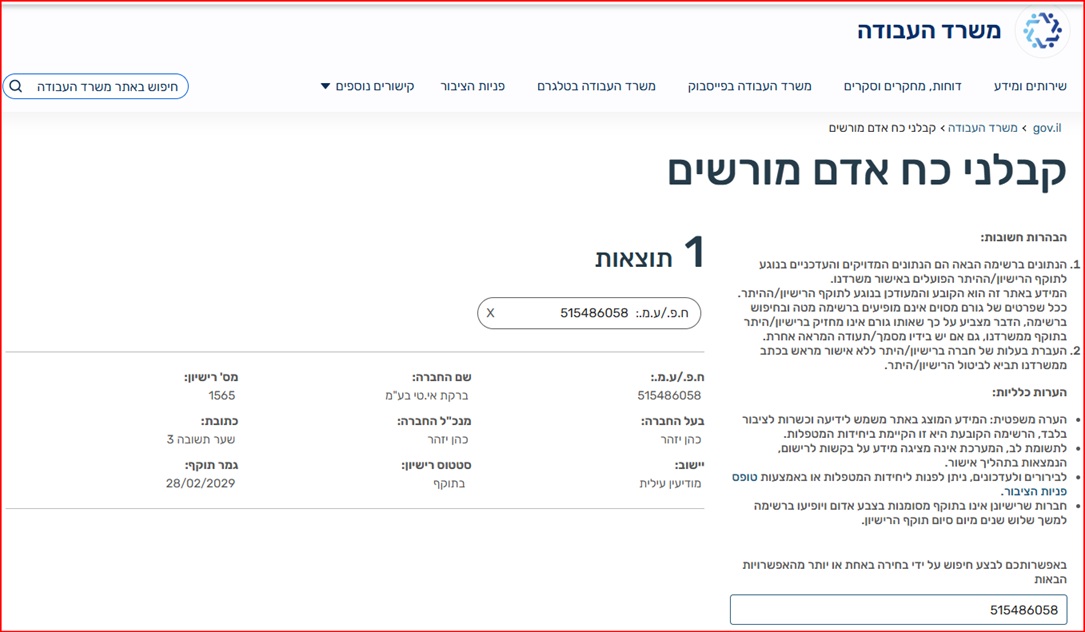
Yes. NETO is an employment system of Bareket I.T Ltd, holder of manpower contractor license number 1565, operating in accordance with the labor laws and the classification of insured persons order. The company has been active since 2016.
In summary
A self-employed person who does not meet the definition is someone who earns income from a business but does not meet any of the three threshold conditions of a self-employed worker · working hours, income level or a combination of them. It is a regulatory status set by actual activity, not a choice, and National Insurance can change it retroactively. Alongside lower insurance contributions, the status may deny important social rights. Even a small business must open a VAT file, and working as self-employed without a file is an offense. The NETO solution · an employment system holding manpower contractor license 1565, active since 2016 · lets you issue an invoice like a self-employed person and receive a payslip with full rights, without opening a file.
- Definition · earns income from a business and does not meet the self-employed worker conditions.
- Not a choice · set by hours and income, changes retroactively too.
- Hidden cost · fewer rights · maternity allowance, work injury, risk pregnancy.
- NETO solution · invoice like a self-employed person, rights like an employee, without a file.
Articles you may find interesting
Everything you need to work as a freelancer with peace of mind · without opening a file and without losing rights.
Invoice like a self-employed person · rights like an employee
Without opening a file, without complicated definitions and without losing rights. Check in a simulation how much net you will keep, or talk to us · we are here for you.
Prefer to talk? Call 08-976-1874