Freelancing While Employed in Israel · How to Take On Side Work Without Getting Tangled Up
Are you a salaried employee who wants to take on a freelance project on the side? You usually can · legally. The key is to check your contract, coordinate your tax, and choose the right payment route. Through NETO you can invoice a client and receive a payslip · without opening a business file and without leaving your day job.
AI Summary Smart overview of this page · click here
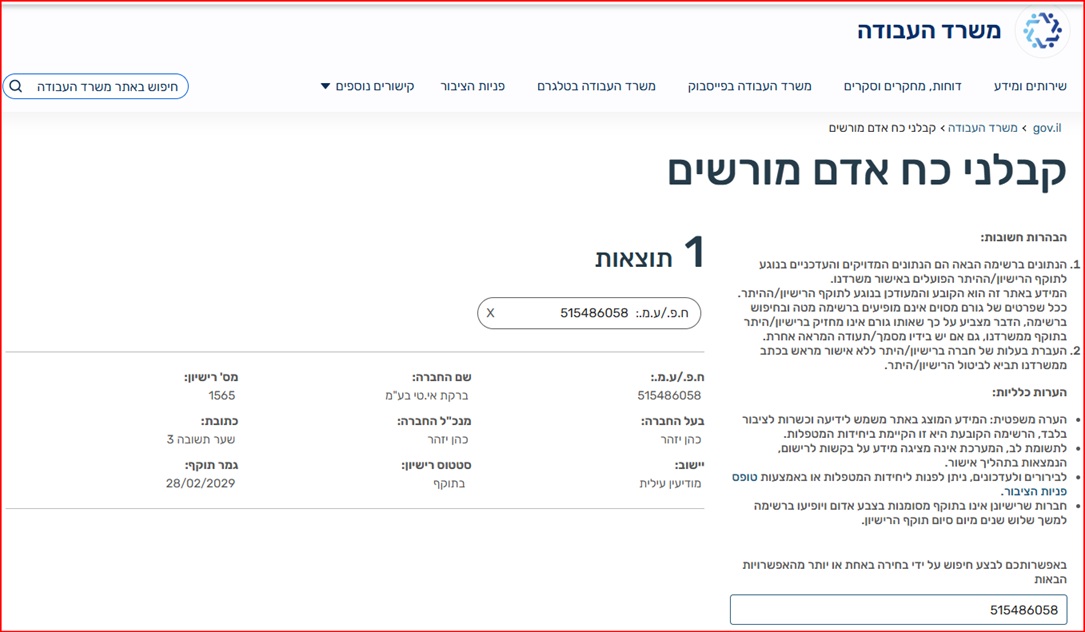
A salaried employee in Israel can usually take on freelance side work legally · without opening a business file. Before your first client, check three things: your employment contract (exclusivity, non-compete, confidentiality, conflict of interest), how you report to Income Tax and National Insurance, and whether the activity justifies opening a business file. When you have more than one source of income, tax coordination matters · without it, a second employer may deduct tax at the default high rate. For a one-time or occasional project, NETO can issue an invoice to the client and pay you a net amount on a payslip, while you stay a salaried employee for tax and National Insurance. This is relevant for olim and English speakers employed in Israel too. NETO is a licensed manpower contractor (#1565) · it does not replace legal or accounting advice, but provides a lawful, orderly operational framework.
This summary is generated from the page content and the linked sources · full detail below. It is not legal, tax or accounting advice.
Key Points
The common question: can a salaried employee freelance on the side without getting into trouble? The short answer · check your contract, choose a payment route in advance, and do tax coordination. For a one-time or occasional project, NETO can issue an invoice to the client and pay you a net amount on a payslip.
- Side work can come from consulting, a one-time project, lessons or digital work alongside your day job.
- First check your employment contract · exclusivity, non-compete, confidentiality and conflict of interest.
- With more than one income source, do tax coordination so no one deducts tax at the default high rate.
- Through NETO · the client gets an invoice and you get a payslip and net to your account.
- No business file · you stay a salaried employee for Income Tax and National Insurance.
- A licensed manpower contractor · license #1565, supervised by the Ministry of Labor.
Freelancing alongside your salary · what to know
Freelancing While Employed · The Short Answer
A salaried employee who wants to freelance on the side should first check the employment contract, then choose a legal payment route, and only then decide whether to open a business file. For a first or occasional project, NETO can enable an invoice to the client and a payslip to you · without a self-employed file.
For example: you work as a salaried employee at a tech company, and in the evening a client asks you to build a dashboard for a fixed fee. The work is straightforward, but the client needs an invoice · and you do not want to open a business file for a single project. This is exactly where it pays not to improvise. Side work can be perfectly legitimate, but it has to go through an orderly route: a contract check, tax coordination, National Insurance, and a lawful way to issue an invoice.
- Suitable also for a second job alongside your main workplace · with tax coordination and orderly reporting.
- You remain a salaried employee, with social rights · see self-employed vs salaried for National Insurance.
- Relevant for olim and English speakers employed in Israel · the same contract and tax rules apply.
What Does Your Employment Contract Say?
Before Income Tax and before opening a file, the first question is whether you are even allowed to take on additional work. Read your contract for clauses on exclusivity, non-compete, intellectual property, use of your employer's equipment, confidentiality and conflict of interest. Even where there is no explicit ban, working for a client who competes with your employer, or using your employer's time, is a real risk.
If there is any doubt, it is better to ask for brief written approval. You do not have to reveal every commercial detail, but you do want to confirm that the side work does not clash with your main role.
Check whether the contract restricts working for anyone else while employed.
Avoid clients or work that competes with your employer's business.
Keep your employer's information and intellectual property separate from side work.
Do not use your employer's time or equipment · get written approval if in doubt.
Three Legal Ways to Work
Once you have confirmed you are allowed to take on side work, there are three common lawful routes to get paid:
Suits stable activity with several clients and a turnover that justifies bookkeeping and ongoing reporting. See opening a business file.
Suits one-time projects or a trial stage. NETO issues an invoice to the client and pays you net on a payslip · see salary payment by invoice.
Suits cases where the client is willing to employ you as a temporary salaried worker. For most business projects this is less convenient for the client.
How to Proceed Correctly · 4 Steps
Four practical steps that help you take on side work without getting tangled up:
Exclusivity, conflict of interest, confidentiality and intellectual property in your employment agreement.
So a second employer does not deduct tax at the default high rate on your additional income.
Do not look only at gross income · check what is actually left after tax and National Insurance.
A business file, temporary employment, or an invoice and payslip through NETO.
Tax Coordination and National Insurance
When you have more than one source of income, tax coordination is not an optional extra. Without it, a second employer may deduct tax at the default high rate. Tax coordination is done with the Israel Tax Authority, and it is better to do it before the first payment. Learn more about tax coordination for employees and about tax on a second income.
National Insurance also depends on the scope of income and how it is reported. A salaried employee who is also self-employed or has additional income may be classified differently based on hours, turnover and income · so it is not right to rely on a rule of thumb alone. It also helps to know how the primary employer is determined when you have more than one payer.
Quick Decision Table
This table is a first-stage aid only · it is not legal, tax or accounting advice.
| Your situation | What to check | Why it matters |
|---|---|---|
| A one-time project | An invoice through NETO | Saves opening a business file too early. |
| Recurring clients every month | Osek Patur or Osek Murshe | Regular activity calls for a proper business framework. |
| Work for a competitor | Approval from your employer | A conflict of interest can create legal risk. |
| Two incomes as an employee | Tax coordination | Prevents excess tax deduction and cash-flow trouble. |
The table is a first-stage aid only and does not constitute legal, tax or accounting advice.
A Short Guide for Freelancers
Before you decide whether to open a business file, work with an invoice, or receive a payslip through NETO, watch this short explanation for freelancers.
The NETO Route · an Invoice to the Client, a Payslip to You
In suitable cases, NETO enables an orderly operational route for freelancing while employed: the client receives a lawful invoice, and you receive a payslip and net to your account. You stay registered as a salaried employee with the authorities · without opening a business file and without self-managed bookkeeping, so your day job is not affected.
Deductions and reporting handled by NETO. See tax coordination for employees.
Registered as a salaried employee · preserving your rights.
A lawful, authorized invoice issued in NETO's name. See how to issue a one-time invoice.
An orderly payslip and the money to your bank account.
Opening a Business File vs the NETO Route
When the side work is occasional or small, opening a full business file is usually too expensive and cumbersome. Here is the comparison:
| What you need to do | Open a business file yourself | The NETO route |
|---|---|---|
| Opening a file at the authorities | Register at Income Tax, VAT and National Insurance | None · registered as a salaried employee |
| Issuing an invoice to the client | An invoicing system and responsibility for correctness | A lawful invoice through us |
| Deducting and reporting the tax | Periodic reporting and self-tracking | Deducted and reported by law |
| Effect on your day job | Extra bureaucracy to manage alongside work | Minimal · you stay a salaried employee |
| What you receive | Turnover to manage and account for yourself | A payslip and net to your account |
Frequently Asked Questions
Is it legal to freelance while employed in Israel?
Usually yes, as long as your employment contract does not prohibit it and there is no conflict of interest with your employer. Check for exclusivity, non-compete and confidentiality clauses, and if in doubt request brief written approval.
Do I have to open a business file to take on side work?
Not always. For a one-time or occasional project you can check a route of an invoice and a payslip through NETO, as long as the work is reported lawfully · see salary payment by invoice. Ongoing activity with several clients may justify opening a business file.
Do I need tax coordination if I freelance alongside my salary?
When you have more than one source of income, tax coordination is usually an important step. Without it, a second employer may deduct tax at the default high rate. Coordinate with the Israel Tax Authority, ideally before the first payment.
How does side work affect my National Insurance?
Your classification depends on the scope of the activity, the hours and the income · see self-employed vs salaried for National Insurance. A salaried employee with additional income may be classified differently, so it is worth checking before you start regular activity.
Can my employer stop me from freelancing on the side?
Your contract may include exclusivity or non-compete clauses, and working for a competitor or using your employer's time or equipment is a real risk. Even without an explicit ban, it is safer to confirm the side work does not conflict with your main role.
When does the NETO route suit a salaried employee?
When you have a client who needs an invoice and you want to receive an orderly net payment on a payslip without opening a business file too early. NETO issues the invoice to the client and pays you as a salaried employee.
Is this relevant for olim and English speakers employed in Israel?
Yes. Salaried employees who are new immigrants or English speakers working in Israel face the same contract, tax coordination and National Insurance considerations. The NETO route lets you invoice a client and receive a payslip without navigating a business file on your own · see also income top-up for salaried employees.
Summary
Freelancing while employed should be examined by the reality on the ground: whether your contract allows it, how the payment is made, whether there are tax and National Insurance obligations, and whether the engagement is one-time or ongoing. The earlier you check and document it, the easier it is to prevent mistakes · and keep your side income orderly without risking your day job.
- Check your employment contract before accepting any side work.
- Do tax coordination so the tax deduction is correct across both incomes.
- Keep orderly reporting toward Income Tax and National Insurance.
- In suitable cases · an invoice to the client and a payslip and net through NETO.
Last updated: 10/07/2026 · this is general information and not legal, tax or accounting advice.
Ready to Freelance on the Side · the Orderly Way?
Talk to us · we will check together whether the NETO route suits your side work. The client gets an invoice, and you get a payslip and net to your account · without opening a business file and without leaving your day job.
Support · +972-8-976-1874
Related guides worth reading

Income Top-Up for Employees
Earn extra income legally alongside your salary · without opening a business file.
Read more
Tax Coordination for Employees
Coordinate tax on additional income and avoid a year-end surprise.
Read more
Issue a One-Time Invoice
Bill a client for a single project without opening a business file.
Read more
Tax on a Second Income
How a second income is taxed and what to check before you start.
Read moreInvoice via Service vs Business
Compare the routes and choose by the actual nature of the work.
Read moreFreelancer · How to Start
The first steps to getting paid as a freelancer, the orderly way.
Read more